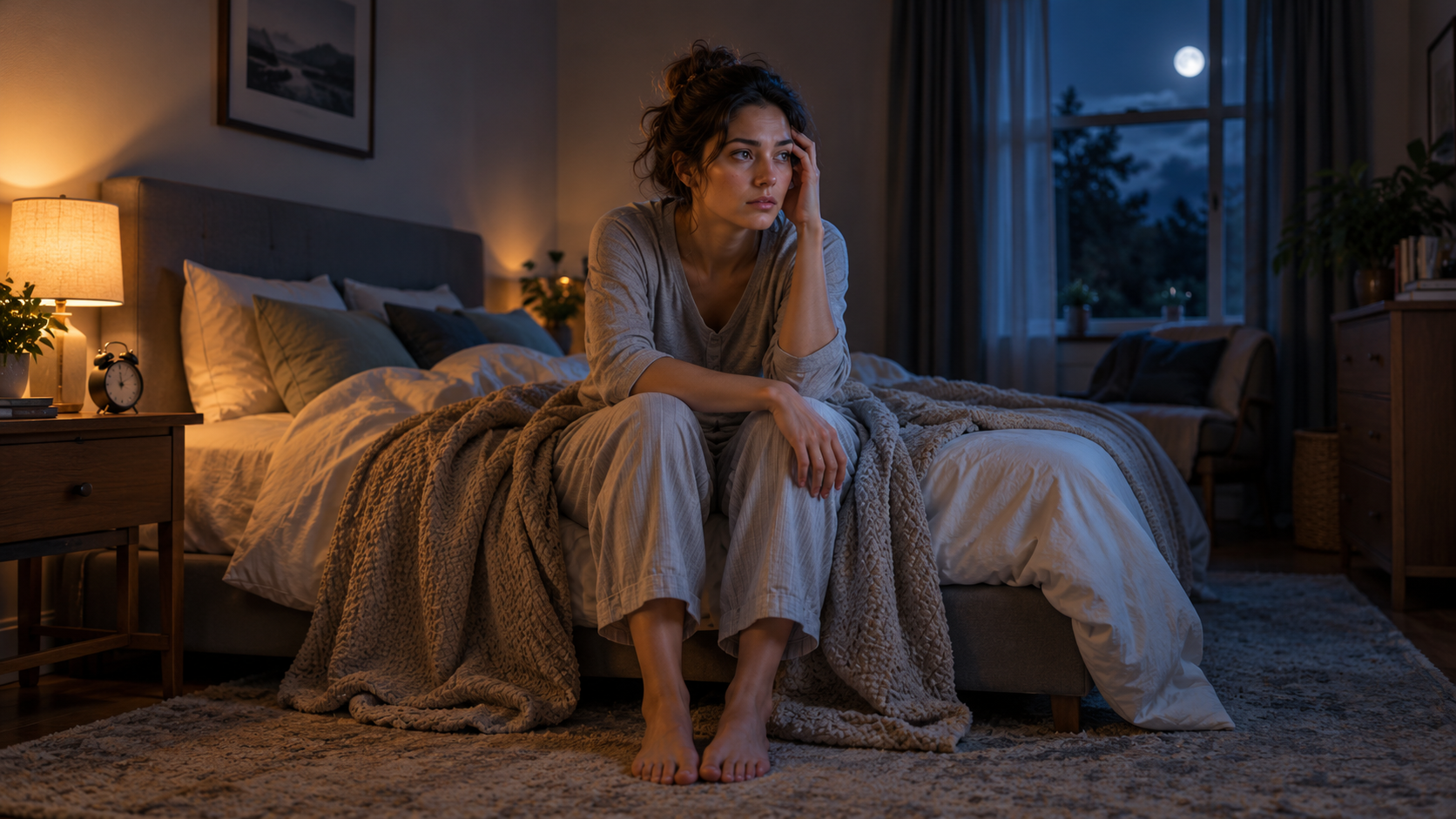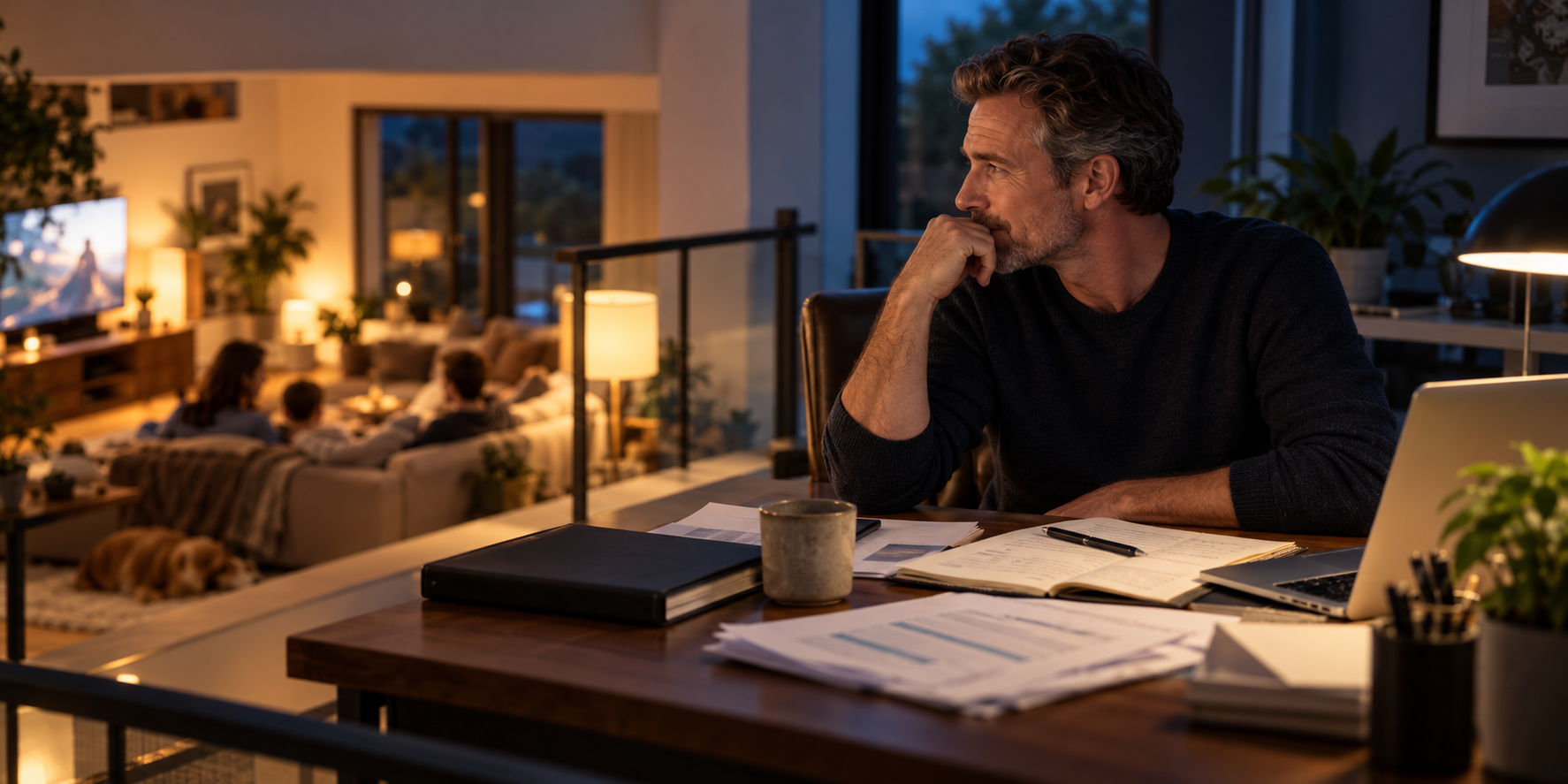
Why are some people happiest when everyone else leaves?
Why can coming home to an empty house feel peaceful to one person…
Yet soul-crushingly lonely to another?
Why would anyone choose a quiet night alone instead of going out with friends?
And why is it that sometimes…
Being alone does not mean being lonely.
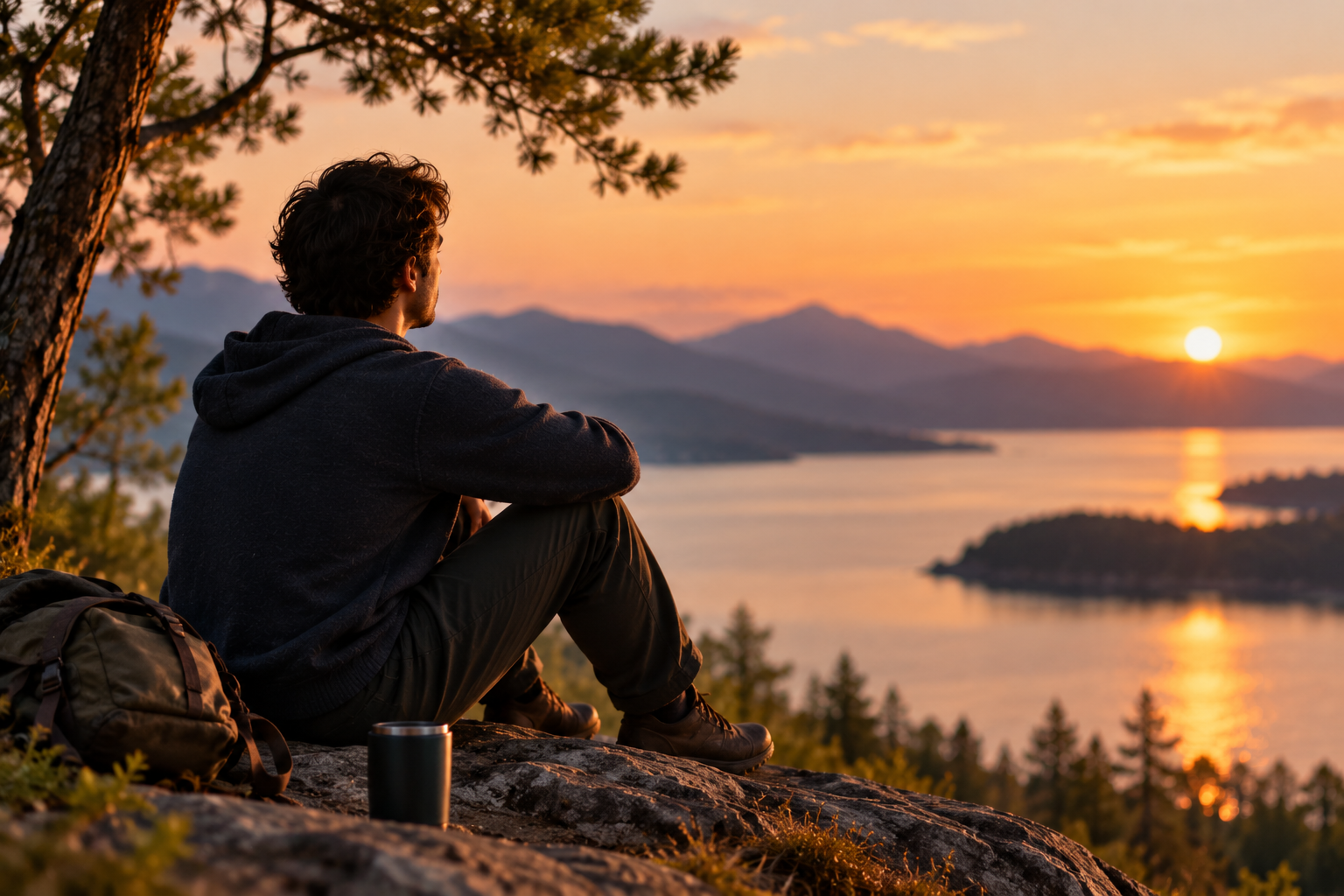
Sometimes being alone is the only time someone feels completely free to be themselves.
The Guy Who Asked for His Friday Night Alone
His coworkers invited him to hang out after work.
Everybody was going.
He liked them.
He had no other plans.
And yet he said no.
They teased him:
“You never go out.”
“Come on. You need to have some fun.”
“What are you going to do alone all night?”
He smiled and made up a story.
The truth was, he had been looking forward to spending the evening alone all day.
He went home.
Slipped out of his work clothes and into sweatpants.
Made himself dinner and ate alone at the kitchen table.
Turned off his phone and sat in silence without feeling the need to speak to anyone.
He was not sad.
He did not hate his coworkers.
He was not waiting for someone to come home and rescue him from his loneliness.
He finally relaxed.
The rest of the world saw him spending another night alone.
He spent the night feeling free.
Inside the Mind: What’s Happening Underneath?
We all need some form of human connection.
But we do not all need the same amount, in the same way, or at the same frequency.
Some people are energized by being around others.
Other people enjoy company but become mentally depleted after socializing for too long.
They may need time alone to:
Let their minds quiet down.
Settle their emotions.
Process their thoughts.
Recharge.
That does not make them antisocial.
It may simply mean that being around people uses their energy…
And being alone helps restore it.
For many introverts—and some people who would not consider themselves introverted—solitude helps fill their cup again.
Different People Process Social Situations Differently
Socializing requires the brain to process a lot of information:
Voices.
Body language.
Tone.
Facial expressions.
Background noise.
Unspoken social rules.
Deciding what to say and how to say it.
Reading how other people react to you.
Some brains process social stimulation more intensely than others.
The dinner party that excites one person may deplete another.
A weekend of socializing may leave one person energized but completely exhaust someone else, who then needs a quiet Monday to recover.
Being alone reduces much of that stimulation.
No conversations to follow.
No expressions to interpret.
No pressure to appear socially available.
The mind has far less competition for its attention.

Freedom From Being “On”
Being around people can make us pay attention to ourselves, often without realizing it.
We monitor:
How we look.
How much—or how little—we are talking.
Whether we seem interesting enough.
Whether someone looks bored, offended, or uncomfortable.
When we are alone, we can stop monitoring ourselves.
You can eat ice cream straight from the container.
Change your plans without explaining yourself.
Sit in silence for hours.
Listen to the same song repeatedly.
Create something without having to explain what you are doing.
You do not have to please anyone but yourself.
There is no one to reassure with a text or smile politely at when you do not feel like smiling.
For some people, being alone is when they can stop feeling watched.
And when they stop feeling watched…
They finally feel free to just be.
Disconnecting to Reconnect With Yourself
Interacting with other people requires something from us.
Even if it is only a smile or a little polite conversation.
Some people have to remain “on” for eight hours every day.
They smile when they do not feel like smiling.
Make small talk when they want quiet.
Hold back their irritability.
Monitor their expressions so they appear pleasant.
Force themselves to look calm and composed.
By the time they finally get home, they may not want to talk.
They may not want to explain what is wrong.
They may not want to be touched immediately.
It does not necessarily mean they do not love the people in their lives.
They may simply need a break from constantly adjusting themselves for everyone else.
When they are alone, they can stop worrying about other people’s expectations.
They can finally just be.
Freedom and Control
Other people require compromise.
Someone else’s plans.
Changes to your routine.
Occasionally sacrificing your own comfort to support someone else.
When you are alone, you have more control over what happens next.
If you feel overwhelmed by daily life, that control can be deeply restorative.
Nobody can ask you to change your plans at the last minute.
Nobody can demand more when you already feel empty.
Nobody can interrupt your silence when all you want is to sit in peace.
For a while, there is nothing unexpected to manage.
You decide what happens next.
Being Alone Allows You to Just Be
Preferring solitude does not mean someone dislikes people.
It may simply mean they enjoy their own company.
They are comfortable with their thoughts.
They do not need constant stimulation to feel occupied or entertained.
They may enjoy one deep conversation more than spending an evening surrounded by people who do not truly interest them.
They may have fewer friendships but invest deeply in the people they trust.
They know how to be alone without depending entirely on another person’s presence to feel comfortable.
Solitude gives them a chance to be completely at ease with themselves.
Being Alone Can Make Space for Creativity
Many people do their best thinking when they are alone.
Making music?
You may need quiet to hear the right tune.
Writing?
You might spend hours searching for one sentence.
Drawing?
You may become so absorbed in your work that you do not want to be interrupted.
Some people are never truly alone—not even when they are by themselves.
Their inner world is busy.
Filled with imagination.
Ideas.
Memories.
Images.
Stories.
Questions.
Music.
Solutions.
Someone sitting alone at home with the lights dimmed may appear to be doing nothing.
But their mind may be wide awake.
They are lost in thought.
Creating.
When Solitude Becomes a Hiding Place
People do not always choose solitude for healthy reasons.
Sometimes being alone feels safer because closeness has become associated with pain.
Someone who fears judgment may avoid situations where others can see them.
Someone who expects rejection may decline invitations before anyone can exclude them.
Someone who has been betrayed may decide that depending on other people is too dangerous.
They may say:
“I’m better off alone.”
“I don’t need anyone.”
“At least nobody can hurt me here.”
Social anxiety can make being around others feel like a constant test.
Depression can drain someone’s desire to talk, connect, or leave the house.
Trauma can make closeness feel unsafe.
Avoidance can provide immediate relief.
No judgment.
No conflict.
No risk of rejection.
But each avoided interaction can make the next one feel more difficult.
The same walls that keep pain out may also prevent closeness from getting in.
There is a difference between choosing solitude because it restores you…
And isolating yourself because closeness, rejection, or vulnerability feels frightening.
Healthy Solitude Is Not Loneliness
If someone chooses to be alone, it does not mean they hate socializing or feel unhappy.
It may mean they know how to enjoy themselves whether other people are present or not.
Some people spend Saturday night alone because they want to watch their favourite shows without interruption.
Others spend Saturday night alone because nobody invited them anywhere.
Both may be sitting on the couch doing “nothing.”
But emotionally, they may be having completely different experiences.
Chosen solitude can feel like freedom.
Unwanted isolation can feel like rejection.
Healthy solitude restores you.
Isolation becomes concerning when it causes distress, replaces relationships you want, or makes your world progressively smaller.
A person who has always enjoyed quiet evenings is also different from someone who suddenly stops returning messages, seeing friends, or participating in life.
It is not only the amount of time someone spends alone that matters.
It is what being alone is doing to them.
The Bottom Line
Enjoying solitude does not make someone antisocial.
Or unhappy.
Or incapable of loving other people.
Some people simply need more alone time than others.
It gives their minds a break from interpreting expressions, following conversations, and decoding unspoken social expectations.
It gives them time to think.
Create.
Recover.
And reconnect with themselves.
Being alone is not an absence of connection.
It can be selective connection.
Choosing who enters your life.
How deeply you trust them.
And how much of yourself you are ready to share.
If you enjoy spending time alone, it does not mean you are incapable of loving others.
It may simply mean that your own company feels like somewhere you can finally rest.

Dr. Jassam is a practicing medical doctor in Canada with additional qualifications and extended training in psychiatry. He holds a postgraduate diploma in psychiatry from the Royal College of Physicians of Ireland and a master’s degree from the University of Melbourne. He is also the author of several books on ADHD, panic disorder, burnout, and other mental health topics. His writing combines medical evidence, psychiatric knowledge, and clinical experience.